
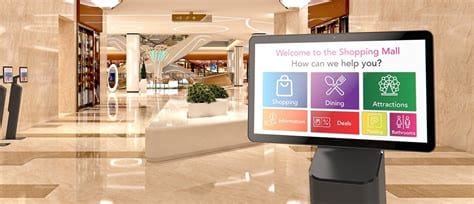
Kiosk Trends, AI, and Future-Proofing Strategy
Self-service displays are evolving beyond static digital ordering terminals. Today’s interactive kiosks are turning into intelligent, cloud-connected interaction hubs. Driven by advancements in artificial intelligence, computer vision, and IoT connectivity, interactive kiosks are reshaping customer experiences across retail, healthcare, hospitality, and transportation.
Whether you are looking to deploy a new kiosk network or upgrade an existing fleet, here are answers to the most frequently asked questions about emerging interactive kiosk trends.
FAQ: Interactive Kiosk Trends
1. How is AI transforming modern interactive kiosks?
Artificial intelligence is shifting kiosks from passive selection screens to proactive digital assistants. Key AI capabilities include:
- Predictive Personalization:AI analyzes customer behavior, weather conditions, or local order history in real time to present tailored recommendations, boosting average order value (AOV) by up to 30%.
- Conversational AI & Voice Control: Integrated Natural Language Processing (NLP) allows users to place complex orders or ask questions naturally using voice commands.
- Computer Vision: High-definition cameras equipped with visual AI enable automated product recognition and demographic-aware dynamic messaging.
2. Are contactless and touchless interactions becoming standard?
Yes.Following the shift toward elevated hygiene standards, modern deployments leverage multi-modal interaction methods to reduce or eliminate physical screen contact:
- Gesture Control & Air-Touch Sensors: Micro-sensors interpret hand movements without requiring screen touching.
- QR Code-to-Mobile Handoff: Users can scan a QR code on the display screen to finish browsing, fill out details, or complete payment directly on their smartphones.
- NFC & Digital Wallet Integration: Instant touch-free tap-to-pay functionality supports Apple Pay, Google Pay, and contactless cards.
3. What role does IoT and cloud management play in kiosk operations?
Internet of Things (IoT) sensors paired with cloud management platforms give fleet operators remote control and real-time visibility over all deployed terminals:
- Predictive Maintenance:Hardware diagnostic sensors alert maintenance teams to potential issues (e.g., thermal thresholds, printer paper shortages) before a breakdown occurs, minimizing downtime.
- Instant Content Updates: Marketing teams can instantly pushes menu changes, price adjustments, and localized ads across thousands of devices globally.
- Real-Time Analytics: Operational dashboards collect live usage data, session durations, and user drop-off points to optimize UI/UX flows.
4. How are kiosks improving accessibility and inclusivity?
Inclusivity is a major focal point in hardware and software design:
- Multilingual AI Translation:On-the-fly language switching helps international visitors navigate menus and instructions in their native language.
- ADA & Wheelchair Accessibility: Software features allow users to lower the interface elements to the bottom third of the screen, while height-adjustable hardware accommodates varying accessibility needs.
- Assistive Audio & Tactile Controls: Screen-reader software paired with tactile keypads aids visually impaired users.
5. How do interactive kiosks handle biometric authentication and privacy?
Biometrics like facial recognition or palm-scanning are increasingly used in industries requiring high-security verification, such as airport check-ins, hotel key dispensations, and age-restricted retail purchases.
To maintain strict compliance with data protection laws (such as GDPR), leading kiosk solutions process biometric data locally using edge computing, immediately anonymizing or purging personal identifiers post-transaction to balance customer convenience with robust data privacy.
Core Benefits at a Glance
| Trend Feature | Primary Benefit | Target Industry |
| Predictive AI Upselling | Higher Average Order Value (AOV) | Quick Service Restaurants (QSR) & Retail |
| Touchless/NFC Interaction | Enhanced Hygiene & Faster Checkout | Transit, Healthcare & Events |
| IoT Predictive Maintenance | High Uptime & Lower On-Site Repair Costs | Multi-Location Commercial Networks |
| Cloud Analytics Integration | Data-Driven Omnichannel Marketing | Banking, Retail & Smart Cities |
Preparing Your Business for the Future of Self-Service
Deploying next-generation interactive kiosks requires aligning software capability with robust hardware. When upgrading your digital display infrastructure, focus on scalability, cloud connectivity, and modular design to ensure your system can seamlessly incorporate future AI and touchless updates without requiring full hardware replacements.